

When the Remedy Becomes the Problem – What Ayurveda Really Teaches Us About Ginger Shots, Green Smoothies & Healthy Living
6/05/2026

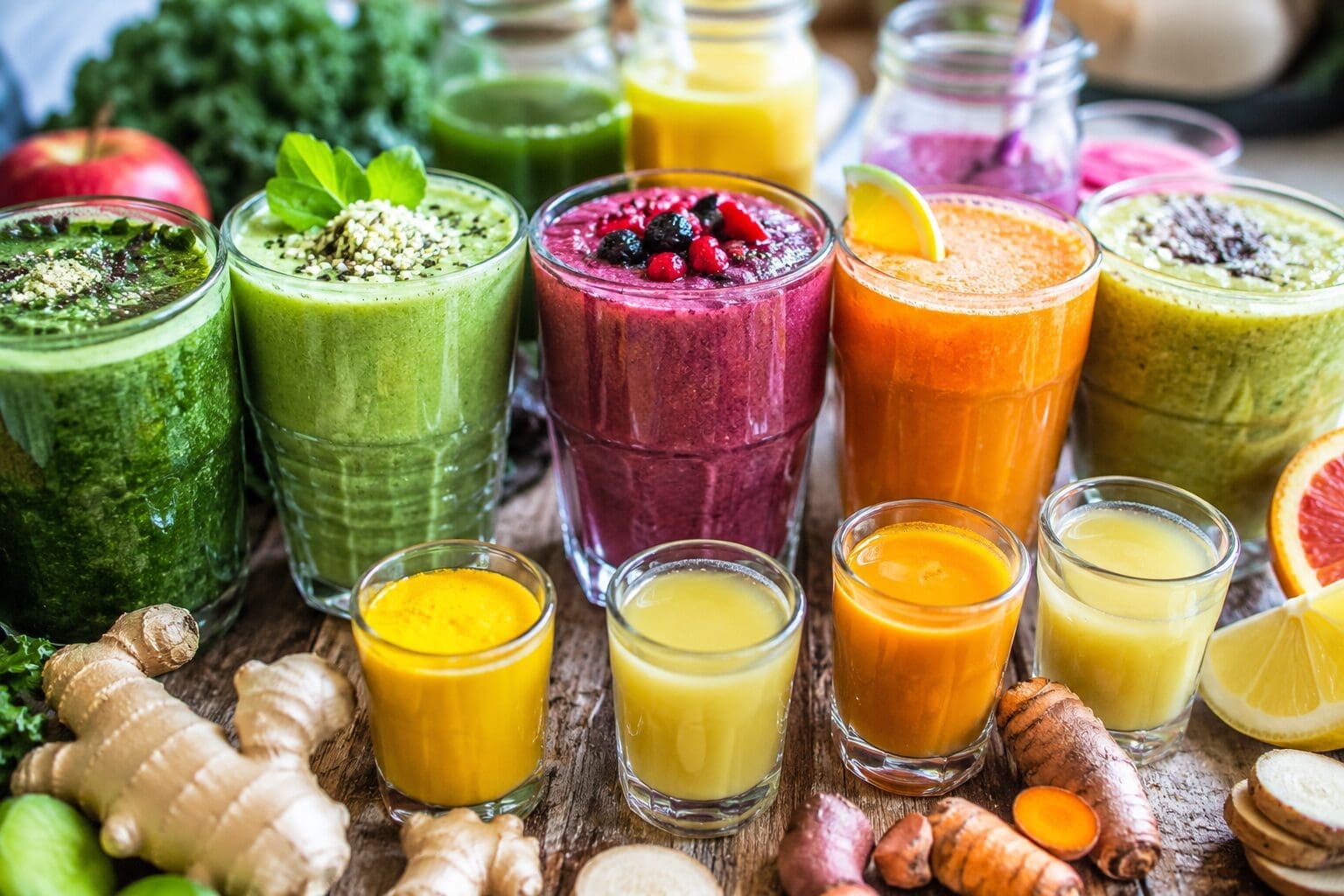
Healthy lifestyle · Smoothies · Ginger shots · Immunity · Ayurveda · Lisbon · Mindful eating
There is a specific kind of morning ritual that has quietly taken over cities like Lisbon. You finish your run along the Tejo, or roll your yoga mat back up after a class at Leela Lisboa or Yoga Room, and you stop at a place like Aura Wellness Bar or Soul & Sip for a ginger shot and a green smoothie. It feels good. It feels right. It feels healthy.
And honestly? Lisbon does this beautifully. It is one of those rare European cities where health-consciousness is not performative — it is genuinely woven into the fabric of daily life. The running communities along the riverside, the yoga studios tucked into Lisbon’s old neighbourhoods, the juice bars that opened not because of a trend but because there was a real appetite for it. At places like Merendinha near Chiado, you will find people ordering fresh green juice the way others order espresso — as an unremarkable, joyful part of the day.
But here is the question that has been sitting with me, the one that Ayurveda has been quietly asking for thousands of years:
Just because something is healthy, does that mean more of it is better? And does it mean it is healthy for you, right now, at this moment?
The Real Benefits — Why We Reach for Them in the First Place
Let us be honest about what smoothies and immunity shots genuinely do. The research and the lived experience align here.
Ginger shots (that sharp, fiery 20–40ml hit) contain gingerols and shogaols — bioactive compounds with well-documented anti-inflammatory effects. They stimulate digestive enzymes, help with nausea, support circulation, and have antimicrobial properties. When you feel a cold coming on, there is a reason your body almost asks for one.
Green smoothies — the spinach-banana-spirulina variety — offer an efficient delivery of chlorophyll, magnesium, potassium, fibre, and live enzymes. Blending breaks down cell walls in a way that raw chewing cannot always achieve, making certain nutrients more bioavailable. Post-workout, the right combination of fruit sugars, protein, and electrolytes does genuinely support recovery.
Turmeric shots, with their curcumin content, have anti-inflammatory and antioxidant effects that rival some pharmaceutical compounds. Paired with black pepper (which activates curcumin absorption by up to 2,000%), it is one of the most elegant plant-based medicines we have.
So yes. These things work. The question is: do they work the way we are currently taking them?
Ayurveda Knew This Long Before the Wellness Industry Did
Ayurveda — the ancient Indian system of medicine — has understood the therapeutic power of fresh plant juices for millennia. But crucially, it has never treated them the way we treat them today: as casual, daily, one-size-fits-all sips of wellness.
In Ayurveda, fresh plant juice is called Svarasa. It is classified as medicine.
To understand why this distinction matters, you need to understand the framework it sits within: Dravyaguna — the Ayurvedic science of pharmacology and the properties of substances. Dravya means substance or material; guna means quality or attribute. Dravyaguna is the study of how plants and foods interact with the human body — their tastes, their energetics, their actions on tissues and organs. It is, in essence, the original science of nutrition and herbal medicine, codified over thousands of years of careful observation.
Within Dravyaguna, there are five primary methods of preparing medicinal substances — the Panchavidha Kashayakalpana, or the five classical preparation forms. Understanding these changes everything about how you think about your morning juice:
1. Svarasa — Fresh Juice (e.g. ginger shot) The strongest, most potent preparation. Because we use the most fresh and vital essence of the plant — nothing is cooked, diluted, or transformed — the medicinal properties are at their peak. This is precisely why the dose is small: 20–40ml, taken twice daily at most. It is also the most difficult to digest.
2. Kalka — Paste (ground or pounded plant) Slightly easier to digest, somewhat weaker in action. Used both internally and as the base for Lepa (medicinal poultices applied externally — think comfrey leaf compresses for joint pain or bone fractures). Dose: around 10g.
3. Churna — Powder Long shelf life, easily absorbed by the body. The form many people encounter in Ayurvedic supplements — ashwagandha powder, triphala, etc.
4. Kvatha / Kashaya — Decoction (herbal tea) Prepared by simmering hard plant material in water. Particularly good for very tough plant matter, and for people with very weak digestion (agni), because the long cooking process breaks down what the body might struggle with. The downside: it tends to be quite bitter. It comes in two forms — cold (Hima) and warm (Phanta).
5. Preparations with fat or fermentation:
- Ghritam — with ghee; deeply nourishing, carries medicine into the deepest tissues
- Tailam — with oil; particularly good for the nervous system and joints
- Asava / Arishtha Kalpana — fermented preparations with alcohol; the traditional Ayurvedic equivalent of a tincture, with unlimited shelf life
There is also the concept of Anupana — the carrier substance required to transport medicinal compounds into the body’s tissues. Pana means “to drink,” and the Anupana is what makes the medicine truly land where it needs to go. Crucially, the right Anupana depends entirely on your individual constitution — your dosha.
The Potency Problem: Why Small Doses Matter
Back to Svarasa, the fresh juice. Because it retains the complete, unaltered essence of the plant, it has the strongest medicinal action of all five forms. And because of this, only a small dose is needed. 20 to 40ml. Twice a day.
Now look at your morning smoothie. How much ginger did you put in? How much turmeric? How much spinach, spirulina, lemon? How many shots did you take this week? And the week before?
This matters for two reasons. First, more does not equal better when something is acting as medicine — it equals excess, and excess strains the system rather than supporting it. Second, and this is where it gets genuinely interesting: Svarasa is the most difficult of all five forms to digest.
Agni: The Fire That Makes It All Work
In Ayurveda, Agni — digestive fire — is the cornerstone of health. It is not simply about whether you have a “strong stomach.” Agni governs the entire process by which food and medicine are broken down, absorbed, and transported to the seven Dhatus (tissues of the body): plasma, blood, muscle, fat, bone, nerve, and reproductive tissue.
When Agni is strong, even potent medicine like fresh ginger juice is processed efficiently and delivered to the tissues where it can do its work. When Agni is low or irregular — which is, frankly, the case for a significant portion of modern people dealing with stress, irregular eating, poor sleep, and sedentary work — fresh juice is one of the hardest things to process.
This means that someone with low Agni who drinks a large green smoothie with raw vegetables, citrus, ginger, and spirulina every morning is not benefiting from those nutrients in the way they believe. The compounds may simply not be reaching the tissues. And worse: the cold temperature, the rawness, and the volume may actually be suppressing Agni further.
The result? Bloating. Fatigue after eating. Brain fog. A sense of heaviness that shouldn’t follow something “so healthy.”
Your Dosha Is Not Just a Personality Quiz
Ayurveda organises human constitution and natural phenomena according to three fundamental energies — the Doshas: Vata, Pitta, and Kapha. Each person has a unique combination of these, and understanding your dominant dosha is not about labelling yourself but about understanding what your body genuinely thrives on — and what it struggles with.
This matters enormously when we talk about juice.
Vata is dry, cold, light, and mobile. People with dominant Vata tend toward anxiety, variable digestion, dryness, and inconsistency. To balance Vata, you want tastes that are warm, grounding, and nourishing: sweet, sour, and salty. Think cooked grains, dates, sweet potatoes, ghee, ripe fruit, a little lemon juice, quality salts. A large cold smoothie — especially one with raw greens and citrus — is likely to aggravate Vata rather than nourish it.
Pitta is hot, sharp, and intense. Pitta-dominant people tend toward inflammation, acidity, irritability, and intensity. To balance Pitta, you need sweet, bitter, and astringent tastes: cucumber, zucchini, leafy greens, coriander, pomegranate, legumes, aloe vera. Fiery ginger shots, taken daily and in large amounts? Probably not ideal for a Pitta constitution.
Kapha is heavy, cool, moist, and slow. Kapha-dominant people tend toward sluggishness, weight retention, emotional attachment, and congestion. To balance Kapha, you need pungent (spicy), bitter, and astringent tastes: ginger, black pepper, turmeric, rocket, kale, herbal teas, legumes. For Kapha, a ginger shot might actually be genuinely appropriate — but with important caveats that we will come to in a moment.
The Twist With Ginger — Not What You Think
Here is where Ayurveda offers something genuinely counterintuitive about one of the wellness world’s most beloved ingredients.
In Ayurveda, taste is not only assessed by what you experience on your tongue (Rasa — the initial taste). There is also the post-digestive effect — the Vipaka, or the taste that the substance takes on after it has been fully metabolised. Some foods taste one way but act quite differently once digested.
Ginger is the perfect example. Raw ginger tastes pungent and spicy — which is why it feels so energising and clarifying. But its Vipaka — its post-digestive effect — is sweet. After digestion, ginger acts like a sweet food in the body.
This has two significant implications:
For Kapha types, who should generally be cautious with sweet tastes (sweet increases Kapha, which is already prone to heaviness and sluggishness), the ginger shot is not as straightforward as it seems. It may provide initial stimulation, but its sweet post-digestive effect needs to be considered, particularly when taken in large or frequent doses.
For everyone, the sweet Vipaka of ginger means it is not ideal to take in the evening. Sweet foods and herbs taken close to bedtime can interfere with sleep — stimulating the digestive and metabolic processes at a time when the body is naturally winding down. That “sleep support” ginger tea before bed? Worth reconsidering.
A Word About Your Favourite Tea Blends
This brings us to something I want to speak about directly, because it took me a while to notice it myself.
I used to love a good evening tea ritual. Brands like Yogi Tea and Pukka have beautiful blends — Women’s Balance, Peaceful Sleep, Digestive Support — and they feel so curated, so intentional. But I started reading the ingredient lists more carefully, and I noticed something:
Almost all of them contain liquorice root (Süßholz, or Glycyrrhiza glabra).
Liquorice makes tea taste smooth, round, and naturally sweet. From a commercial standpoint, it is brilliant — it makes the tea more immediately appealing. But Süßholz is not a neutral ingredient. It is a potent medicinal herb with real physiological effects that are not appropriate for everyone.
For people with diabetes or blood sugar dysregulation: Glycyrrhizin, the active compound in liquorice root, can significantly affect blood glucose regulation and interfere with insulin response. People with type 2 diabetes or insulin resistance should be genuinely cautious about daily liquorice consumption — and “a few cups of herbal tea” can quickly add up to a meaningful dose.
For women trying to conceive: Liquorice root has emmenagogue properties — meaning it has a stimulating effect on the uterus and can influence hormonal cycles. In Ayurvedic terms, it has a downward-moving (Apana Vata) action that affects not just the digestive system but also the reproductive system. Women experiencing fertility challenges, or those with conditions like PCOS, endometriosis, or recurrent miscarriage, should speak to a practitioner before drinking these teas regularly. The irony is not lost on me: many of these blends are marketed specifically to women for “women’s health.”
And while we are here: mint. It is everywhere — in green juices, smoothies, fresh lemonade, herbal teas. Mint is cooling, refreshing, and genuinely beneficial for digestion in moderate amounts. But in Ayurveda, mint is also recognised as a plant that, in excess, can have a mildly suppressive effect on reproductive function and libido, and its very cooling nature can be problematic for Vata types or for anyone with already-cold digestion. The smoothie that has three large handfuls of fresh mint along with frozen fruit and raw greens? That is a lot of cold, cooling energy going into a body first thing in the morning.
When the Ritual Loses Its Medicine
Let us step back and look at the pattern.
We discover something genuinely beneficial — ginger shots, green smoothies, herbal teas. We feel good. We share it. It becomes a trend. The trend becomes an industry. The industry scales it up: bigger cups, daily subscriptions, flavour combinations designed to be as appealing as possible, marketed to as many people as possible, with as little friction as possible.
And somewhere in that process, the medicine leaves.
Not because the ingredients change, but because the fundamental logic of how to take medicine — the right thing, in the right dose, at the right time, for the right person — gets completely abandoned.
Ayurveda’s sophistication lies precisely in this particularisation. There is no universal health food. There is no ingredient that is universally beneficial for all people at all times. Even the purest, most ancient remedy in the pharmacopoeia needs to be understood in context: Who is taking it? What is their constitution? What is the condition of their Agni? What season is it? What time of day? What else are they eating?
The modern wellness industry has, with the best intentions, created the opposite logic: the more superfoods, the more shots, the bigger the smoothie, the more adaptogens, the more beneficial blends — the healthier you must be. And this “more is more” logic is causing genuine harm.
People are drinking cold, heavy, complex smoothies on already-sluggish digestion and wondering why they feel bloated. They are taking large daily doses of potent plant medicine without knowing their constitution or the plant’s Vipaka. They are drinking “sleep teas” containing herbs that, by their very nature, should not be taken at night. And they are doing all of this while believing they are being kind to their bodies.
Lisbon, Health, and a City That Deserves Better Than Trends
I think about this often in Lisbon. This city has a genuinely beautiful relationship with health. The Ribeira running community gathers at dawn. Yoga studios like Leela and Yoga Room are full of people who are genuinely exploring practice, not just fitness. Places like Aura Wellness Bar and Merendinha are run by people who care deeply about what they put into their food. Soul & Sip on Avenida Duque de Loulé serves food that feels considered.
There is a real culture here of people asking questions — not just following the trend, but wanting to understand why. That is exactly the Ayurvedic spirit.
So here is the invitation, the one I keep coming back to:
Before you reach for the smoothie or the shot — pause. Not to stop, but to ask.
Why am I taking this? What does my body actually need right now? Am I cold? Tired? Experiencing sluggish digestion? Or am I energised, warm, and genuinely hungry for something bright and alive? Is this a treat, or am I taking it because it is Tuesday and that is what Tuesday looks like now?
The ginger shot is medicine. The green smoothie is medicine. The herbal tea is medicine. And medicine, taken wisely, with awareness of who you are and what you actually need — that is where the magic lives.
Simple. Small. In balance.
That is not a compromise. That is the whole point.
If you want to understand your own constitution and what kinds of foods and preparations are genuinely right for your body, speaking with a qualified Ayurvedic practitioner is a profound place to start. The five preparation forms, the doshas, the tastes and their post-digestive effects — this is a system of extraordinary depth, and what is written here is only the beginning of the conversation.

